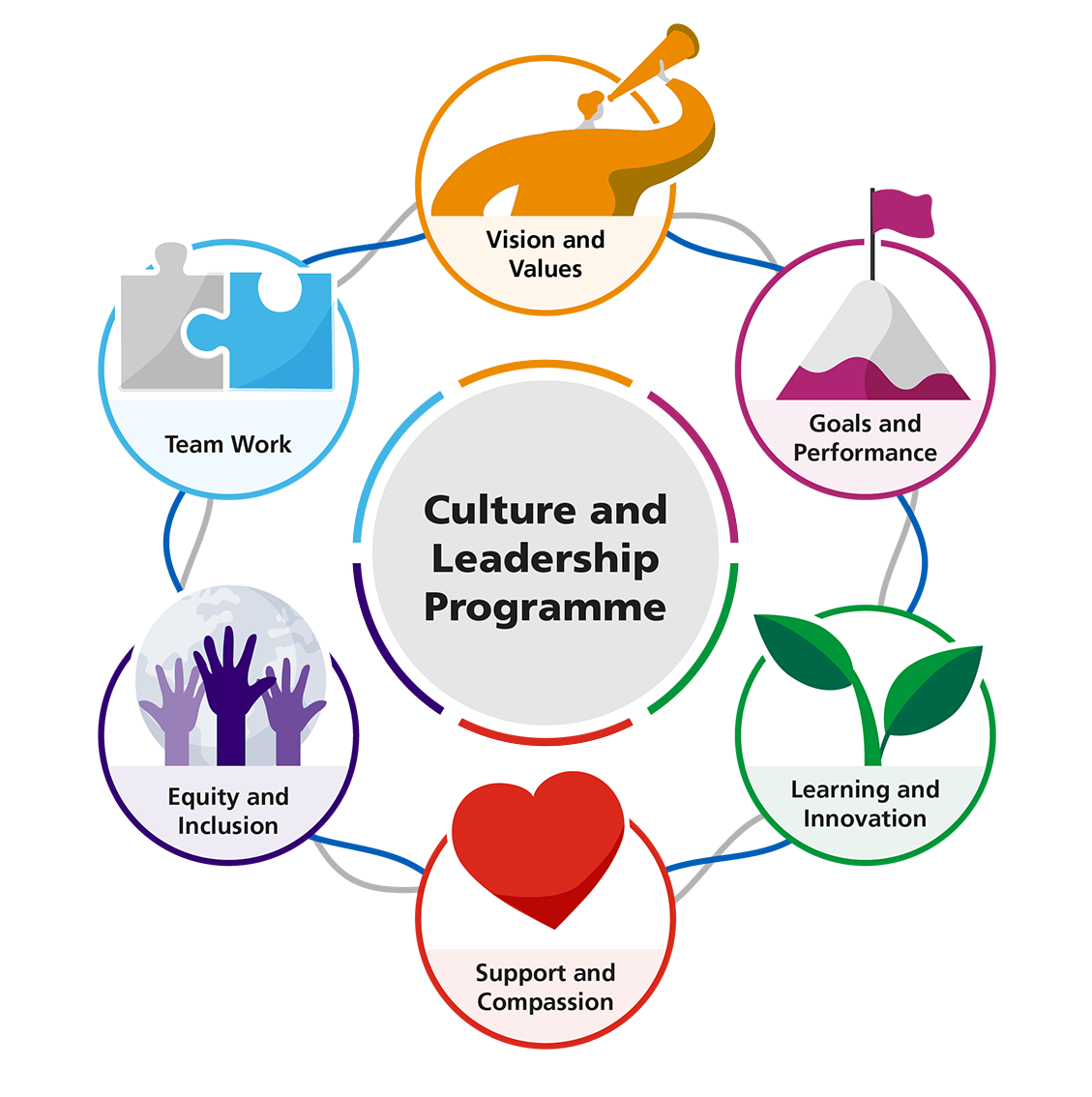

Understanding and navigating Culture And Cultural Change is crucial for organizations aiming to thrive in today's dynamic business environment. Culture is the backbone of any organization, shaping behaviors, attitudes, and the overall work environment. However, cultural change is often necessary to adapt to new challenges, technologies, and market demands. This post delves into the intricacies of Culture And Cultural Change, providing insights into how organizations can effectively manage and leverage cultural shifts to drive success.
Understanding Organizational Culture
Organizational culture refers to the shared values, beliefs, and practices that guide the behavior of employees within a company. It is the collective personality of the organization, influencing everything from decision-making processes to employee morale. A strong organizational culture can foster innovation, improve employee satisfaction, and enhance overall productivity.
Key components of organizational culture include:
- Values: The core principles that guide the organization's actions and decisions.
- Beliefs: The assumptions and perceptions that employees hold about the organization and its environment.
- Practices: The routines and behaviors that employees engage in on a daily basis.
- Norms: The unwritten rules that dictate acceptable behavior within the organization.
The Importance of Cultural Change
In today's rapidly evolving business landscape, organizations must be agile and adaptable to stay competitive. Culture And Cultural Change are essential for driving innovation, improving efficiency, and responding to market shifts. Cultural change can help organizations:
- Adapt to new technologies and digital transformations.
- Enhance employee engagement and satisfaction.
- Improve customer satisfaction and loyalty.
- Attract and retain top talent.
- Foster a more inclusive and diverse work environment.
Steps to Implement Cultural Change
Implementing cultural change requires a strategic and systematic approach. Here are the key steps to effectively manage Culture And Cultural Change within an organization:
Assess the Current Culture
Before initiating any changes, it is crucial to understand the current organizational culture. This involves:
- Conducting surveys and interviews to gather employee feedback.
- Analyzing organizational data to identify trends and patterns.
- Evaluating the alignment between the current culture and the organization's goals.
Define the Desired Culture
Once the current culture is understood, the next step is to define the desired culture. This involves:
- Identifying the values and behaviors that will drive the organization's success.
- Setting clear goals and objectives for the cultural change initiative.
- Communicating the vision and rationale behind the cultural change to all stakeholders.
Develop a Change Management Plan
A comprehensive change management plan is essential for successfully implementing cultural change. This plan should include:
- Identifying key stakeholders and their roles in the change process.
- Developing a timeline and milestones for the cultural change initiative.
- Allocating resources and budget for the change initiative.
- Creating a communication strategy to keep employees informed and engaged.
Implement the Change
Implementing cultural change involves executing the change management plan. This includes:
- Training and development programs to equip employees with the necessary skills and knowledge.
- Initiating pilot programs to test new practices and gather feedback.
- Monitoring progress and making adjustments as needed.
Evaluate and Sustain the Change
Evaluating the effectiveness of the cultural change initiative is crucial for sustaining long-term success. This involves:
- Conducting follow-up surveys and assessments to measure the impact of the change.
- Identifying areas for improvement and implementing corrective actions.
- Recognizing and rewarding employees who embody the desired culture.
📝 Note: Cultural change is an ongoing process that requires continuous effort and commitment from leadership and employees alike.
Challenges in Cultural Change
While cultural change can bring numerous benefits, it is not without its challenges. Some of the common obstacles organizations face include:
Resistance to Change
Employees may resist cultural change due to fear of the unknown, loss of control, or concerns about job security. Overcoming resistance requires:
- Clear and transparent communication about the reasons for the change.
- Involving employees in the change process to gain their buy-in.
- Providing support and resources to help employees adapt to the change.
Lack of Leadership Support
Leadership support is crucial for the success of any cultural change initiative. Without strong leadership, employees may lack the motivation and direction needed to embrace the change. Ensuring leadership support involves:
- Aligning the cultural change initiative with the organization's strategic goals.
- Engaging leaders at all levels in the change process.
- Providing leadership training and development to equip leaders with the skills needed to drive cultural change.
Inconsistent Messaging
Inconsistent messaging can confuse employees and undermine the cultural change initiative. To avoid this, organizations should:
- Develop a clear and consistent communication strategy.
- Ensure that all leaders and managers are aligned and delivering the same message.
- Use multiple channels to communicate the change, including emails, town halls, and one-on-one meetings.
Case Studies: Successful Cultural Change Initiatives
Several organizations have successfully implemented cultural change initiatives, demonstrating the transformative power of Culture And Cultural Change. Here are a few notable examples:
Microsoft
Under the leadership of Satya Nadella, Microsoft underwent a significant cultural transformation. Nadella focused on fostering a growth mindset, encouraging innovation, and promoting a culture of collaboration. This shift helped Microsoft regain its competitive edge and become one of the most valuable companies in the world.
IBM
IBM's cultural change initiative, led by Ginni Rometty, focused on transforming the company into a cognitive solutions and cloud platform provider. This involved shifting from a product-centric to a client-centric culture, emphasizing innovation, and fostering a more agile and flexible work environment.
Airbnb
Airbnb's cultural change initiative aimed to create a more inclusive and diverse work environment. The company implemented programs to promote diversity, equity, and inclusion, such as unconscious bias training and employee resource groups. This cultural shift helped Airbnb attract and retain top talent and enhance its brand reputation.
Best Practices for Cultural Change
To ensure the success of cultural change initiatives, organizations should follow these best practices:
Communicate Clearly and Consistently
Clear and consistent communication is essential for gaining employee buy-in and ensuring the success of the cultural change initiative. This involves:
- Developing a comprehensive communication plan.
- Using multiple channels to communicate the change.
- Providing regular updates and feedback to keep employees informed.
Involve Employees in the Change Process
Involving employees in the change process helps to gain their buy-in and ensures that the cultural change initiative is aligned with their needs and expectations. This involves:
- Conducting surveys and focus groups to gather employee feedback.
- Creating cross-functional teams to drive the change initiative.
- Providing opportunities for employees to share their ideas and suggestions.
Provide Training and Support
Providing training and support helps employees adapt to the cultural change and develop the necessary skills and knowledge. This involves:
- Developing training programs tailored to the cultural change initiative.
- Providing resources and tools to support employees during the transition.
- Offering coaching and mentoring to help employees navigate the change.
Measure and Evaluate Progress
Measuring and evaluating progress is crucial for ensuring the success of the cultural change initiative. This involves:
- Developing key performance indicators (KPIs) to measure progress.
- Conducting regular assessments to evaluate the impact of the change.
- Using feedback to make adjustments and improvements as needed.
📝 Note: Cultural change is a journey, not a destination. Organizations should continuously monitor and evaluate their culture to ensure it remains aligned with their goals and values.
The Role of Leadership in Cultural Change
Leadership plays a critical role in driving Culture And Cultural Change. Effective leaders must:
Model the Desired Behavior
Leaders must embody the values and behaviors they want to see in their employees. This involves:
- Demonstrating the desired behaviors in their daily actions and decisions.
- Communicating the importance of the cultural change initiative.
- Providing feedback and recognition to reinforce the desired behaviors.
Create a Safe and Inclusive Environment
Creating a safe and inclusive environment fosters trust and encourages employees to embrace the cultural change. This involves:
- Promoting open communication and active listening.
- Encouraging diversity and inclusion.
- Providing support and resources to help employees navigate the change.
Empower Employees
Empowering employees to take ownership of the cultural change initiative helps to drive engagement and commitment. This involves:
- Providing opportunities for employees to lead and contribute to the change process.
- Encouraging innovation and creativity.
- Recognizing and rewarding employees for their contributions.
The Impact of Technology on Cultural Change
Technology plays a significant role in shaping organizational culture and driving cultural change. Here are some ways technology can impact Culture And Cultural Change:
Enhancing Communication and Collaboration
Technology tools such as video conferencing, instant messaging, and collaboration platforms enhance communication and collaboration, fostering a more connected and engaged workforce. This involves:
- Implementing tools that facilitate real-time communication and collaboration.
- Encouraging the use of digital platforms for teamwork and project management.
- Providing training and support to help employees use these tools effectively.
Promoting Flexibility and Agility
Technology enables organizations to be more flexible and agile, adapting quickly to changing market conditions and customer needs. This involves:
- Implementing cloud-based solutions that allow for remote work and flexible scheduling.
- Using data analytics to gain insights and make informed decisions.
- Encouraging a culture of continuous learning and innovation.
Fostering Innovation
Technology drives innovation by providing new tools and platforms for creativity and problem-solving. This involves:
- Investing in research and development to stay ahead of technological trends.
- Encouraging experimentation and risk-taking.
- Providing resources and support for innovation initiatives.
Cultural Change and Diversity, Equity, and Inclusion
Promoting diversity, equity, and inclusion (DEI) is a critical aspect of Culture And Cultural Change. A diverse and inclusive work environment fosters innovation, enhances decision-making, and improves employee satisfaction. Here are some strategies to promote DEI:
Create an Inclusive Work Environment
Creating an inclusive work environment involves:
- Promoting policies and practices that support diversity and inclusion.
- Providing training and development programs to raise awareness and address unconscious biases.
- Encouraging open communication and active listening.
Promote Equal Opportunities
Promoting equal opportunities involves:
- Ensuring fair and transparent hiring, promotion, and compensation practices.
- Providing mentoring and sponsorship programs to support the career development of underrepresented groups.
- Creating employee resource groups to provide support and advocacy.
Foster a Culture of Belonging
Fostering a culture of belonging involves:
- Encouraging employees to bring their authentic selves to work.
- Promoting a sense of community and shared purpose.
- Recognizing and celebrating diversity and inclusion achievements.
📝 Note: Promoting DEI is an ongoing process that requires continuous effort and commitment from leadership and employees alike.
Measuring the Success of Cultural Change
Measuring the success of cultural change initiatives is essential for ensuring their long-term impact. Here are some key metrics to consider:
Employee Engagement and Satisfaction
Employee engagement and satisfaction are critical indicators of cultural change success. This involves:
- Conducting regular employee surveys to measure engagement and satisfaction.
- Analyzing turnover rates and retention metrics.
- Gathering feedback through focus groups and one-on-one interviews.
Performance and Productivity
Performance and productivity metrics provide insights into the impact of cultural change on organizational outcomes. This involves:
- Tracking key performance indicators (KPIs) such as sales, revenue, and customer satisfaction.
- Analyzing productivity metrics such as output per employee and project completion rates.
- Evaluating the effectiveness of training and development programs.
Innovation and Creativity
Innovation and creativity are essential for driving long-term success. This involves:
- Tracking the number of new ideas and initiatives generated.
- Evaluating the success of innovation projects and programs.
- Measuring the impact of innovation on organizational performance.
Sustaining Cultural Change
Sustaining cultural change requires ongoing effort and commitment. Here are some strategies to ensure long-term success:
Continuous Communication
Continuous communication is essential for sustaining cultural change. This involves:
- Providing regular updates and feedback to keep employees informed.
- Using multiple channels to communicate the change.
- Encouraging open dialogue and active listening.
Leadership Support
Leadership support is crucial for sustaining cultural change. This involves:
- Ensuring that leaders at all levels are aligned and committed to the change.
- Providing leadership training and development to equip leaders with the skills needed to drive cultural change.
- Recognizing and rewarding leaders who embody the desired culture.
Employee Involvement
Employee involvement is essential for sustaining cultural change. This involves:
- Providing opportunities for employees to lead and contribute to the change process.
- Encouraging innovation and creativity.
- Recognizing and rewarding employees for their contributions.
📝 Note: Sustaining cultural change requires a long-term perspective and a commitment to continuous improvement.
In conclusion, Culture And Cultural Change are essential for organizations aiming to thrive in today’s dynamic business environment. By understanding the intricacies of organizational culture and implementing effective cultural change initiatives, organizations can drive innovation, improve employee satisfaction, and achieve long-term success. Leadership plays a critical role in this process, and continuous effort and commitment are necessary to sustain cultural change. By following best practices and leveraging technology, organizations can navigate cultural shifts and create a more inclusive, diverse, and agile work environment.
Related Terms:
- change in culture and communities
- how to implement culture change
- best way to change culture
- how to implement cultural change
- importance of culture change
- how to manage culture change