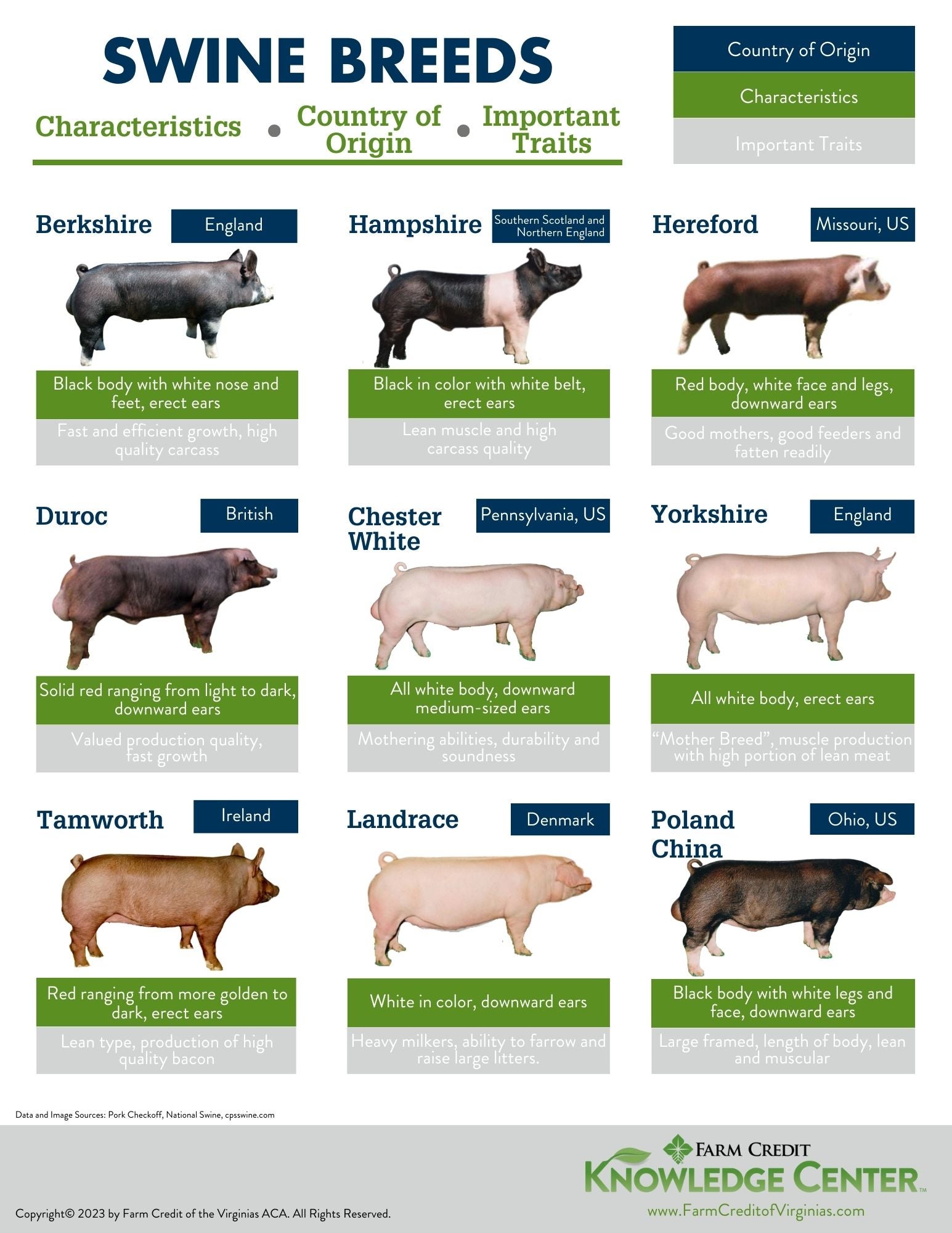

Pigs are fascinating creatures that have played a significant role in human history, both culturally and economically. Understanding the genus name of swine, which is *Sus*, is crucial for anyone interested in the biology, domestication, and conservation of these animals. This blog post delves into the various aspects of the genus *Sus*, exploring its taxonomy, species, and the importance of pigs in different cultures and industries.
The Taxonomy of the Genus Name of Swine
The genus *Sus* belongs to the family Suidae, which includes all pigs, hogs, and boars. The taxonomy of this genus is complex, with several recognized species and numerous subspecies. The classification of *Sus* has evolved over time as scientists have gained a better understanding of genetic relationships and morphological characteristics.
The genus *Sus* is further divided into several subgenera, each containing distinct species. The most well-known species within this genus is the domestic pig, *Sus scrofa domesticus*, which is a subspecies of the wild boar, *Sus scrofa*. Other notable species include the Javan warty pig (*Sus verrucosus*), the Visayan warty pig (*Sus cebifrons*), and the pygmy hog (*Sus salvanius*).
Species Within the Genus Name of Swine
The genus *Sus* encompasses a diverse range of species, each with unique characteristics and adaptations. Here is a brief overview of some of the most notable species within this genus:
- Wild Boar (*Sus scrofa*): The wild boar is the ancestor of the domestic pig and is native to Eurasia. It is known for its robust build, bristly hair, and distinctive tusks.
- Javan Warty Pig (*Sus verrucosus*): This species is endemic to the Indonesian island of Java and is characterized by its warty skin and small size.
- Visayan Warty Pig (*Sus cebifrons*): Found in the Philippines, this species is critically endangered and is known for its warty skin and small stature.
- Pygmy Hog (*Sus salvanius*): The pygmy hog is the smallest species within the genus *Sus* and is native to the grasslands of India and Bhutan. It is critically endangered due to habitat loss and hunting.
- Babirusa (*Sus babyrussa*): Also known as the pig-deer, the babirusa is native to Indonesia and is characterized by its unique tusks that curve upwards and pierce the skin of the snout.
The Importance of the Genus Name of Swine in Different Cultures
The genus *Sus* has had a profound impact on various cultures around the world. Pigs have been domesticated for thousands of years and have played crucial roles in agriculture, religion, and cuisine. Here are some examples of the cultural significance of pigs:
In many Western cultures, pigs are primarily valued for their meat, which is a staple in diets around the world. Pork is a versatile ingredient used in a wide range of dishes, from bacon and ham to sausages and roasts. The domestication of pigs has also led to the development of various breeds tailored to specific culinary preferences and farming practices.
In some Asian cultures, pigs hold symbolic and religious significance. For example, in Chinese culture, the pig is one of the 12 animals in the zodiac and is associated with wealth and prosperity. In Vietnamese culture, pigs are often used in traditional festivals and ceremonies, symbolizing good fortune and abundance.
In many indigenous cultures, pigs are valued for their meat, hide, and other by-products. For instance, in Papua New Guinea, pigs are central to traditional rituals and ceremonies, often used as gifts and offerings during important events.
The Role of the Genus Name of Swine in Agriculture and Industry
The genus *Sus* plays a vital role in agriculture and industry, contributing to food security, economic development, and environmental sustainability. Here are some key aspects of the role of pigs in these sectors:
Pigs are one of the most efficient converters of feed into meat, making them an important source of protein for human consumption. The global pork industry is a significant contributor to the economy, providing employment and generating revenue through the production and sale of pork products.
Pigs are also used in various industrial applications, such as the production of pharmaceuticals, cosmetics, and biotechnology products. For example, pig insulin is used to treat diabetes in humans, and pig valves are used in heart surgery.
In addition to their economic value, pigs play a crucial role in environmental sustainability. Pigs are omnivores and can consume a wide range of feedstuffs, including agricultural by-products and food waste. This makes them an important component of sustainable farming systems, helping to reduce waste and improve resource efficiency.
Conservation Efforts for the Genus Name of Swine
Many species within the genus *Sus* are threatened by habitat loss, hunting, and disease. Conservation efforts are essential to protect these species and ensure their survival. Here are some key conservation initiatives and strategies:
Habitat conservation is a critical component of pig conservation. Protecting and restoring natural habitats, such as forests and grasslands, is essential for the survival of many pig species. This can be achieved through the establishment of protected areas, reforestation programs, and sustainable land-use practices.
Community-based conservation initiatives involve local communities in the protection and management of pig populations. These initiatives can include education and awareness programs, sustainable hunting practices, and the development of alternative livelihoods to reduce dependence on pig hunting.
Captive breeding programs are used to maintain genetic diversity and support the reintroduction of endangered pig species into the wild. These programs involve the breeding of pigs in captivity and the release of their offspring into suitable habitats.
Research and monitoring are essential for understanding the status and threats facing pig populations. This can involve field studies, genetic analysis, and the development of conservation strategies tailored to specific species and regions.
International cooperation is crucial for the conservation of pig species that range across multiple countries. Collaborative efforts between governments, non-governmental organizations, and local communities can help to address transboundary threats and coordinate conservation actions.
Here is a table summarizing the conservation status of some species within the genus *Sus*:
| Species | Conservation Status | Threats |
|---|---|---|
| Wild Boar (*Sus scrofa*) | Least Concern | Habitat loss, hunting, disease |
| Javan Warty Pig (*Sus verrucosus*) | Vulnerable | Habitat loss, hunting, disease |
| Visayan Warty Pig (*Sus cebifrons*) | Critically Endangered | Habitat loss, hunting, disease |
| Pygmy Hog (*Sus salvanius*) | Critically Endangered | Habitat loss, hunting, disease |
| Babirusa (*Sus babyrussa*) | Vulnerable | Habitat loss, hunting, disease |
📌 Note: The conservation status of species within the genus *Sus* is based on the IUCN Red List of Threatened Species. The threats facing these species are complex and multifaceted, requiring comprehensive conservation strategies to address.
Genetic Diversity and Evolution of the Genus Name of Swine
The genetic diversity of the genus *Sus* is a critical aspect of its evolution and conservation. Understanding the genetic relationships between different species and subspecies can provide insights into their evolutionary history and inform conservation strategies. Here are some key points about the genetic diversity and evolution of the genus *Sus*:
Genetic studies have revealed that the genus *Sus* has a complex evolutionary history, with multiple speciation events and hybridization events. For example, the domestic pig (*Sus scrofa domesticus*) is a subspecies of the wild boar (*Sus scrofa*) and has been domesticated from multiple wild populations across Eurasia.
Genetic diversity within the genus *Sus* is influenced by factors such as geographic isolation, habitat fragmentation, and human activities. For example, the Visayan warty pig (*Sus cebifrons*) is genetically distinct from other warty pig species due to its isolation on the islands of the Philippines.
Genetic studies have also identified several conserved regions in the genome of the genus *Sus*, which are important for understanding the genetic basis of traits such as disease resistance, growth rate, and reproductive performance. These conserved regions can be used to develop genetic markers for breeding and conservation programs.
Genetic diversity is essential for the long-term survival and adaptation of pig species. Conservation efforts should focus on maintaining genetic diversity within and between populations to ensure the resilience of these species in the face of environmental changes and threats.
Here is an image of a wild boar, a species within the genus *Sus*:

📌 Note: The image above shows a wild boar, a species within the genus *Sus*. Wild boars are the ancestors of domestic pigs and are native to Eurasia. They are known for their robust build, bristly hair, and distinctive tusks.
Diseases and Health Management in the Genus Name of Swine
Diseases pose a significant threat to the health and welfare of pigs within the genus *Sus*. Effective health management is crucial for maintaining the productivity and sustainability of pig populations. Here are some key diseases and health management strategies for pigs:
Infectious diseases are a major concern for pig health. Some of the most common infectious diseases in pigs include:
- Porcine Reproductive and Respiratory Syndrome (PRRS): A viral disease that affects the reproductive and respiratory systems of pigs, causing significant economic losses in the pork industry.
- Swine Influenza: A viral disease that causes respiratory symptoms in pigs and can be transmitted to humans. Swine influenza is a zoonotic disease, meaning it can be transmitted between animals and humans.
- African Swine Fever (ASF): A highly contagious and often fatal viral disease that affects pigs. ASF is a significant threat to the global pork industry and has caused widespread outbreaks in recent years.
- Classical Swine Fever (CSF): Also known as hog cholera, CSF is a viral disease that affects the immune system of pigs, causing fever, lethargy, and death. CSF is a notifiable disease, meaning it must be reported to animal health authorities.
Effective health management strategies are essential for preventing and controlling diseases in pigs. These strategies include:
- Vaccination: Vaccines are available for some pig diseases, such as PRRS and CSF. Vaccination programs can help to reduce the incidence and severity of these diseases.
- Biosecurity: Biosecurity measures, such as quarantine, disinfection, and control of movement, can help to prevent the introduction and spread of diseases in pig populations.
- Nutrition: Proper nutrition is essential for maintaining the health and immune function of pigs. A balanced diet can help to prevent diseases and improve the overall welfare of pigs.
- Husbandry: Good husbandry practices, such as providing adequate space, ventilation, and hygiene, can help to reduce the risk of diseases in pigs.
Regular monitoring and surveillance are crucial for early detection and control of diseases in pig populations. This can involve regular health checks, laboratory testing, and reporting of suspected cases to animal health authorities.
Here is an image of a piglet, highlighting the importance of health management in the early stages of life:

📌 Note: The image above shows a piglet, highlighting the importance of health management in the early stages of life. Proper health management is essential for ensuring the survival and productivity of pig populations.
The Future of the Genus Name of Swine
The future of the genus *Sus* depends on a combination of conservation efforts, sustainable farming practices, and scientific research. Here are some key areas that will shape the future of pigs:
Advances in genetic technologies, such as genome editing and selective breeding, offer new opportunities for improving the health, productivity, and sustainability of pig populations. These technologies can be used to develop disease-resistant breeds, improve feed efficiency, and enhance the welfare of pigs.
Sustainable farming practices are essential for ensuring the long-term viability of pig populations. This includes the use of environmentally friendly farming methods, such as organic farming and agroforestry, which can help to reduce the environmental impact of pig production and improve the sustainability of farming systems.
Conservation efforts will continue to play a crucial role in protecting endangered pig species and maintaining genetic diversity. This includes habitat conservation, captive breeding programs, and community-based conservation initiatives.
International cooperation and collaboration are essential for addressing global threats to pig populations, such as disease outbreaks and climate change. Collaborative efforts between governments, non-governmental organizations, and local communities can help to coordinate conservation actions and develop effective strategies for protecting pig populations.
Education and awareness programs are important for raising public awareness about the importance of pigs and the threats they face. These programs can help to promote sustainable farming practices, support conservation efforts, and encourage public engagement in pig conservation.
Here is an image of a domestic pig, highlighting the importance of sustainable farming practices:

📌 Note: The image above shows a domestic pig, highlighting the importance of sustainable farming practices. Sustainable farming practices are essential for ensuring the long-term viability of pig populations and reducing the environmental impact of pig production.
In conclusion, the genus Sus encompasses a diverse range of species that play crucial roles in agriculture, culture, and conservation. Understanding the taxonomy, species, and importance of pigs is essential for appreciating their significance and supporting efforts to protect and sustain these remarkable animals. From their role in food security and economic development to their cultural and symbolic significance, pigs continue to be an integral part of human society. By promoting sustainable farming practices, supporting conservation efforts, and advancing scientific research, we can ensure a bright future for the genus Sus and the many species it encompasses.
Related Terms:
- classification of swine
- pig scientific name genus species
- what's the pig's name
- scientific name for domestic pig
- sus scrofa domesticus meaning
- scientific name for hogs