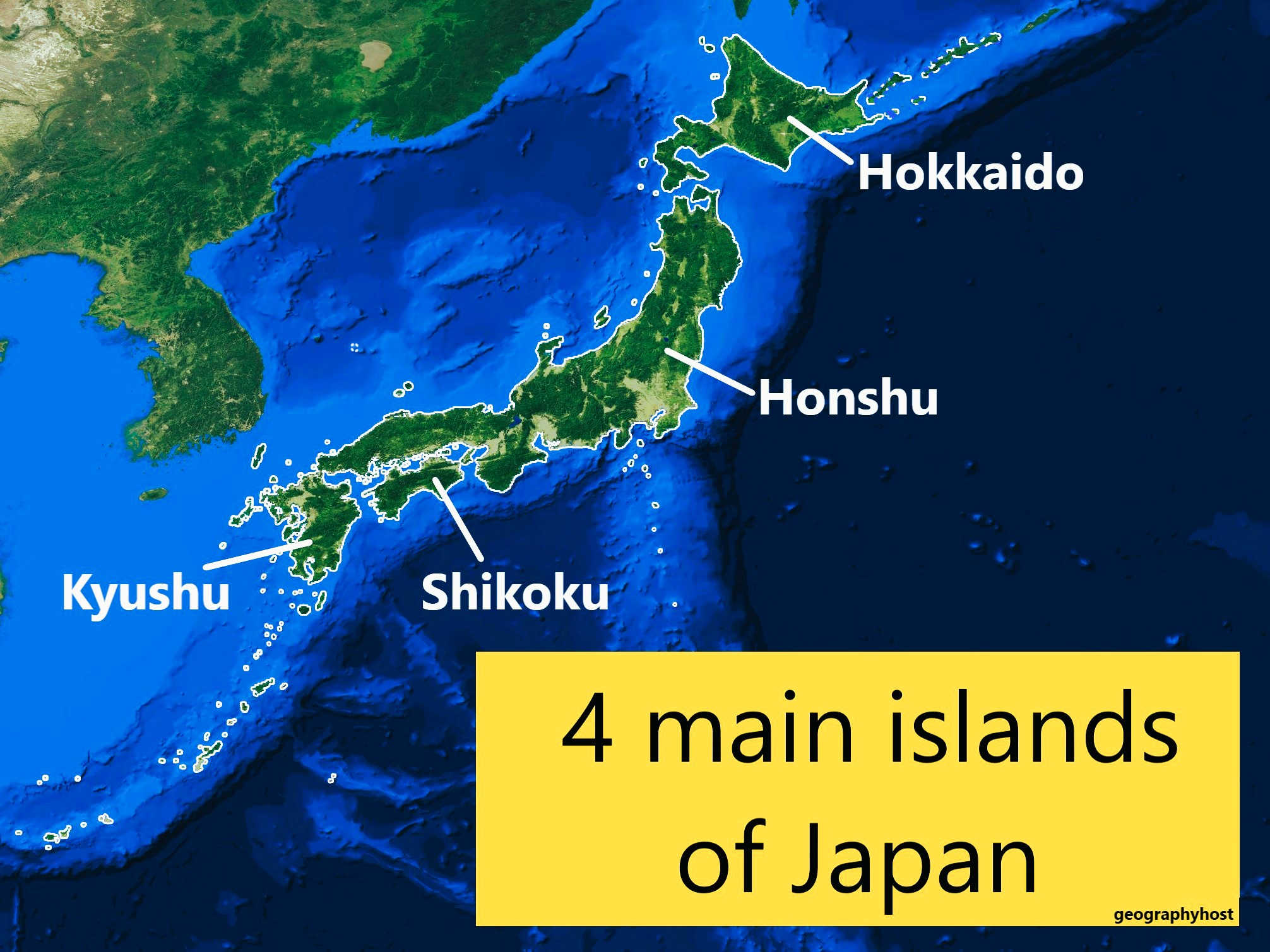

Japan, an island nation in East Asia, is renowned for its rich cultural heritage, technological advancements, and natural beauty. Among its many attractions, the Major Resources of Japan play a crucial role in the country's economy and development. These resources range from natural minerals and energy sources to human capital and technological innovations. Understanding these resources provides a comprehensive view of Japan's strengths and its strategic position in the global arena.
Natural Resources
Japan's natural resources are diverse but limited in quantity. The country relies heavily on imports for many of its raw materials. However, it has made significant strides in utilizing its available resources efficiently.
Minerals
Japan is relatively poor in mineral resources compared to other industrialized nations. However, it does have deposits of coal, zinc, copper, and gold. The country's mining industry is not as extensive as in other countries, but it plays a vital role in specific regions. For instance, the Ashio copper mine in Tochigi Prefecture was once one of the largest copper mines in the world. Today, Japan imports most of its mineral needs, particularly iron ore and coal, from countries like Australia and China.
Energy Resources
Japan's energy resources are primarily focused on fossil fuels and renewable energy sources. The country has limited reserves of oil and natural gas, making it heavily dependent on imports. The 2011 Fukushima Daiichi nuclear disaster led to a significant reduction in nuclear power generation, further increasing Japan's reliance on imported fossil fuels.
In response to this challenge, Japan has invested heavily in renewable energy sources such as solar, wind, and hydroelectric power. The country aims to increase the share of renewable energy in its total energy mix to achieve its climate goals. For example, the Major Resources of Japan in the renewable energy sector include extensive solar farms and wind turbines, particularly in rural areas.
Water Resources
Japan is blessed with abundant water resources, thanks to its numerous rivers and lakes. The country has a well-developed water management system that ensures a steady supply of clean water for both domestic and industrial use. The Major Resources of Japan in terms of water include the Tonegawa River, the longest river in Japan, and Lake Biwa, the largest freshwater lake in the country. These water bodies are crucial for agriculture, hydroelectric power generation, and recreational activities.
Forest Resources
Japan's forest cover is extensive, with about 67% of the country's land area covered by forests. These forests are a vital resource for timber, paper, and other wood products. Additionally, they play a crucial role in maintaining the country's biodiversity and preventing soil erosion. The Major Resources of Japan in the forestry sector include cedar and cypress trees, which are commonly used in construction and furniture making.
Human Resources
Japan's human resources are one of its most valuable assets. The country has a highly educated and skilled workforce, which is a significant factor in its economic success. The Major Resources of Japan in terms of human capital include a strong education system, a robust healthcare system, and a culture that values hard work and innovation.
Education
Japan's education system is renowned for its rigor and effectiveness. The country has a high literacy rate, and its students consistently rank among the top performers in international assessments. The education system is structured to provide a solid foundation in basic subjects, followed by specialized training in higher education institutions. This ensures that Japan has a steady supply of skilled professionals in various fields.
Healthcare
Japan's healthcare system is one of the best in the world, with a high life expectancy and low infant mortality rates. The country has a universal healthcare system that provides access to medical services for all its citizens. This ensures a healthy and productive workforce, which is crucial for the country's economic growth. The Major Resources of Japan in the healthcare sector include advanced medical technologies, highly trained medical professionals, and a comprehensive healthcare infrastructure.
Workforce
Japan's workforce is known for its discipline, dedication, and technical expertise. The country has a strong culture of lifelong learning, which encourages continuous skill development. This has enabled Japan to maintain a competitive edge in various industries, including manufacturing, technology, and services. The Major Resources of Japan in terms of the workforce include a highly skilled labor force, a strong work ethic, and a culture of innovation.
Technological Resources
Japan is a global leader in technology and innovation. The country's technological resources are a key driver of its economic growth and competitiveness. The Major Resources of Japan in the technology sector include advanced manufacturing technologies, robotics, artificial intelligence, and renewable energy solutions.
Manufacturing
Japan's manufacturing sector is world-renowned for its quality and efficiency. The country is a leader in the production of automobiles, electronics, and machinery. Japanese companies like Toyota, Sony, and Panasonic are global brands known for their innovation and reliability. The Major Resources of Japan in the manufacturing sector include advanced production technologies, a skilled workforce, and a strong focus on research and development.
Robotics and AI
Japan is at the forefront of robotics and artificial intelligence (AI) research and development. The country has made significant advancements in robotics, with applications ranging from industrial automation to healthcare and service robots. Japanese companies like Honda and Toyota are leaders in robotics, while AI research institutions like the RIKEN Center for Advanced Intelligence Project (AIP) are pushing the boundaries of AI technology. The Major Resources of Japan in the robotics and AI sector include cutting-edge research facilities, highly skilled researchers, and a supportive government policy framework.
Renewable Energy
Japan's commitment to renewable energy is evident in its investments in solar, wind, and hydroelectric power. The country aims to reduce its dependence on fossil fuels and nuclear power by increasing the share of renewable energy in its total energy mix. The Major Resources of Japan in the renewable energy sector include extensive solar farms, wind turbines, and hydroelectric power plants. These resources are crucial for achieving Japan's climate goals and ensuring energy security.
Cultural Resources
Japan's cultural resources are a treasure trove of traditions, arts, and heritage. The country's rich cultural heritage is a significant attraction for tourists and a source of pride for its people. The Major Resources of Japan in the cultural sector include ancient temples, traditional arts, and modern cultural expressions.
Historical Sites
Japan is home to numerous historical sites that showcase its rich cultural heritage. These sites include ancient temples, shrines, and castles that have been preserved for centuries. Some of the most famous historical sites in Japan include:
| Site Name | Location | Significance |
|---|---|---|
| Kiyomizu-dera | Kyoto | Famous for its wooden stage that offers panoramic views of the city |
| Himeji Castle | Himeji | One of the most beautiful and well-preserved castles in Japan |
| Itsukushima Shrine | Hiroshima | Known for its floating torii gate and scenic beauty |
These historical sites are not only cultural treasures but also significant tourist attractions that contribute to Japan's economy.
Traditional Arts
Japan's traditional arts are a vibrant expression of its cultural heritage. These arts include tea ceremony, calligraphy, flower arrangement, and traditional music and dance. The Major Resources of Japan in the traditional arts sector include skilled practitioners, cultural institutions, and a supportive community that values these arts. For example, the tea ceremony, or Chanoyu, is a ritualized way of preparing and serving green tea to guests. It is a symbol of Japanese hospitality and cultural refinement.
Modern Cultural Expressions
Japan's modern cultural expressions are equally vibrant and diverse. The country is known for its anime, manga, and video games, which have gained global popularity. Japanese pop culture, or J-pop, is another significant cultural export that has a massive following worldwide. The Major Resources of Japan in the modern cultural sector include creative talent, innovative production techniques, and a global fan base.

In conclusion, the Major Resources of Japan are diverse and multifaceted, encompassing natural resources, human capital, technological innovations, and cultural heritage. These resources have played a crucial role in shaping Japan’s economic growth, technological advancements, and cultural richness. By leveraging these resources effectively, Japan continues to maintain its position as a global leader in various fields. The country’s commitment to innovation, sustainability, and cultural preservation ensures that its resources will continue to thrive and contribute to its future development.
Related Terms:
- japan's natural resources list
- does japan lack natural resources
- geography of japan natural resources
- natural resources in tokyo japan
- what minerals does japan have
- natural resource map of japan