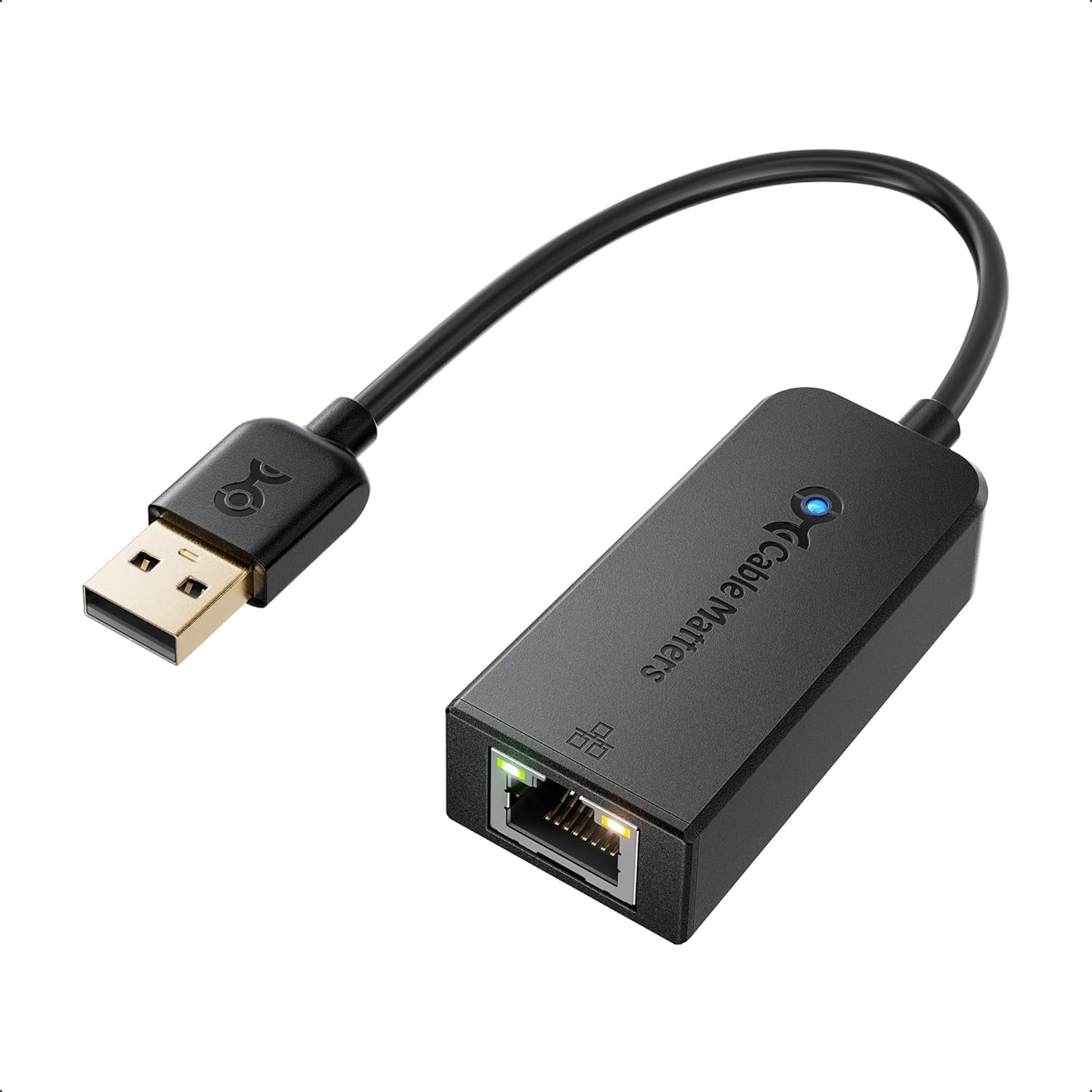

In an era where digital connectivity defines our daily productivity, finding the most efficient way to stay online is paramount. Whether you are a professional working from a remote home office, a gamer seeking low-latency connections, or a student attending virtual lectures, the hardware you use dictates your experience. One of the most versatile yet often misunderstood components in a modern toolkit is the Wireless Usb Ethernet Card. This compact device serves as a bridge between your hardware and the vast expanse of the internet, offering flexibility that internal cards simply cannot match. By converting a standard USB port into a high-speed networking gateway, these devices have revolutionized how we think about hardware upgrades and mobile connectivity.
Understanding the Mechanics of a Wireless Usb Ethernet Card

To appreciate the value of a Wireless Usb Ethernet Card, it is essential to understand what it actually does. Traditionally, computers relied on internal Network Interface Cards (NICs) soldered to the motherboard or inserted into PCIe slots. While effective, these are difficult to replace and impossible to move between devices. A USB-based network adapter changes the game by externalizing this technology. Despite the name often being used interchangeably, these devices typically fall into two categories: those that provide a Wi-Fi connection (wireless) and those that provide a physical RJ45 port via USB (Ethernet). Modern hybrid models, however, often aim to solve all connectivity woes in one sleek package.
The primary appeal of these cards lies in their plug-and-play nature. In most modern operating systems, the drivers are pre-installed, meaning you can achieve high-speed internet access within seconds of plugging the device into a port. This is particularly useful for:
- Legacy laptops with broken internal Wi-Fi antennas.
- Desktop PCs that were built without integrated wireless capabilities.
- Thin-and-light ultrabooks that lack a physical Ethernet port for stable wired connections.
- Users who need to upgrade to newer standards like Wi-Fi 6 without opening their computer case.
Key Technical Specifications to Consider
When shopping for a Wireless Usb Ethernet Card, not all devices are created equal. The performance of your connection depends heavily on the internal chipset and the USB standard supported by the device. If you use a high-speed adapter on an old USB 2.0 port, you will experience a significant bottleneck regardless of how fast your fiber-optic internet is.
| Feature | Standard Requirement | Best Use Case |
|---|---|---|
| USB Version | USB 3.0 or higher | High-speed data transfer and 4K streaming. |
| Frequency Bands | Dual-Band (2.4GHz & 5GHz) | Reducing interference in crowded apartments. |
| Ethernet Speed | Gigabit (10/100/1000 Mbps) | Stable gaming and large file uploads. |
| Antenna Type | External High-Gain | Long-range reception through walls. |
It is also important to look for MU-MIMO (Multi-User, Multiple-Input, Multiple-Output) technology. This allows the Wireless Usb Ethernet Card to communicate with multiple devices simultaneously rather than waiting its turn, which significantly reduces lag during peak usage hours in your household.
💡 Note: Always check the USB port color on your computer; blue ports usually indicate USB 3.0, which is necessary to achieve speeds above 480 Mbps.
Installation and Setup Guide

Setting up your new networking hardware is generally straightforward, but following a specific sequence ensures you get the maximum possible throughput. While many devices claim to be "driverless," keeping your software updated is the best way to maintain security and stability.
- Identify the Port: Locate the fastest USB port on your machine. For a Wireless Usb Ethernet Card, using a port directly on the motherboard (for desktops) is better than using a front-panel port or an unpowered hub.
- Physical Connection: Insert the device firmly. If it has external antennas, rotate them to a vertical position to better catch signals from your router.
- Driver Verification: On Windows, open the "Device Manager" and look under "Network Adapters." If you see a yellow exclamation mark, you may need to download drivers from a secondary device or use the included CD (if applicable).
- Network Configuration: Once recognized, click the network icon in your taskbar. Select your SSID, enter the password, and ensure "Connect Automatically" is checked.
For those using the Ethernet portion of a Wireless Usb Ethernet Card, the process is even simpler. Just plug in the Cat5e or Cat6 cable, and the OS should prioritize the wired connection over the wireless one automatically, providing you with lower ping and more consistent download speeds.
Why Use a USB Adapter Over Internal Upgrades?
Many tech enthusiasts debate whether an internal PCIe card is superior to a Wireless Usb Ethernet Card. While internal cards can sometimes offer slightly better heat dissipation, the USB alternative has several distinct advantages that make it the preferred choice for most consumers today.
Portability is the most obvious factor. You can move your high-speed connection from a desktop to a laptop or even a compatible tablet in seconds. Furthermore, interference management is often easier with USB devices. Since they sit outside the metal chassis of the computer, they are less susceptible to the electromagnetic interference (EMI) generated by CPUs and GPUs.
Additionally, the Ease of Replacement cannot be overstated. Technology moves fast. When Wi-Fi 7 or 10-Gigabit Ethernet becomes the household standard, replacing a Wireless Usb Ethernet Card involves nothing more than buying a new "dongle" and swapping it out. There is no need to dismantle your PC or worry about compatibility with motherboard slots.
Optimizing Your Signal for Maximum Performance

Simply plugging in a Wireless Usb Ethernet Card isn't always enough to get the best speeds. Environmental factors play a huge role in networking performance. To ensure you are getting what you paid for, consider the placement of your hardware.
- Line of Sight: Try to minimize the number of walls between your adapter and the router. Heavy materials like brick and concrete are notorious for killing 5GHz signals.
- USB Extensions: If your computer is tucked under a desk, use a USB 3.0 extension cable to bring the Wireless Usb Ethernet Card up onto the desk surface. This clears it from the "signal shadow" of your metal PC case.
- Channel Selection: Use a Wi-Fi analyzer app to see which channels are most crowded in your neighborhood. Switching your router to a less congested channel can improve the performance of your adapter significantly.
- Power Management: Windows often tries to save power by turning off USB devices. Go to your adapter's properties in Device Manager and uncheck "Allow the computer to turn off this device to save power."
⚠️ Note: If you are experiencing frequent disconnects, ensure that your laptop's battery saver mode isn't throttling the power delivered to the USB ports.
Troubleshooting Common Issues
Even with the best Wireless Usb Ethernet Card, you might occasionally run into hurdles. One common issue is the device "vanishing" after the computer wakes from sleep mode. This is usually a driver-related handshake issue. Simply unplugging and re-plugging the device often solves it, but a permanent fix usually involves updating the BIOS or the USB controller drivers of the motherboard.
Another issue is speed degradation. If you notice your Wireless Usb Ethernet Card is performing poorly, check if the device is running hot. Because these adapters are small, they can sometimes overheat during long gaming sessions or heavy torrenting. Ensuring there is proper airflow around the USB port can help maintain sustained performance levels.
Future-Proofing Your Connectivity
As we look toward the future, the Wireless Usb Ethernet Card continues to evolve. We are seeing the rise of USB-C adapters that support 2.5Gbps Ethernet and Wi-Fi 6E. These standards utilize the 6GHz band, which is currently uncrowded and offers speeds that rival physical fiber connections. Investing in a high-quality adapter today means you are ready for the bandwidth demands of tomorrow, including 8K streaming, virtual reality, and complex cloud computing tasks.
When selecting your next device, prioritize brands that offer frequent firmware updates. Networking security is a moving target, and having a Wireless Usb Ethernet Card that receives regular patches against vulnerabilities like KRACK or Dragonblood is essential for protecting your personal data.
In summary, the Wireless Usb Ethernet Card is more than just a convenience; it is a vital tool for ensuring reliable and fast internet access in a variety of environments. By understanding the technical requirements like USB standards and frequency bands, you can choose a device that eliminates lag and connectivity drops. Whether you are reviving an old machine or enhancing a new one, the ease of use and portability of these adapters make them an unbeatable solution for modern networking. Keep your drivers updated, optimize your physical placement, and enjoy the seamless digital experience that a high-quality network interface provides.
Related Terms:
- ethernet to usb near me
- best usb to ethernet adapters
- ethernet plug to usb adapter
- connector ethernet to usb
- ethernet adapter with usb ports
- usb to ether connector